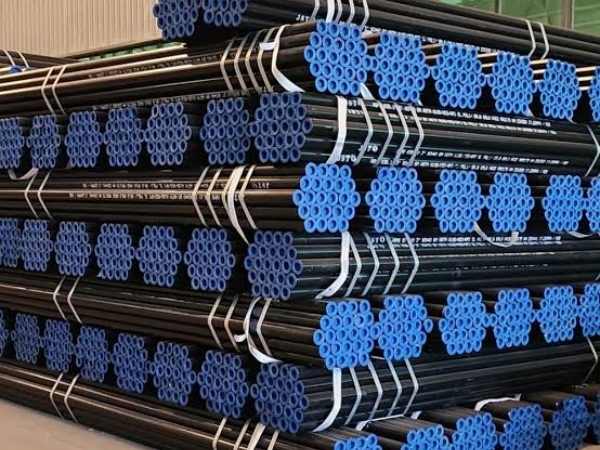
ASTM A53 pipe is one of the most widely used carbon steel pipe products in construction, water transmission, oil & gas, fire protection, and structural applications. Because of its broad availability and versatile performance, ASTM A53 pipe remains a preferred choice for engineers, contractors, and procurement professionals worldwide.
When evaluating ASTM A53 pipe prices, buyers should understand that costs vary significantly based on manufacturing method, pipe dimensions, wall thickness, surface treatment, testing requirements, and market steel prices.
This guide explains the key factors affecting ASTM A53 pipe pricing and helps buyers make more cost-effective purchasing decisions.
Quick Answer
The price of ASTM A53 pipe is primarily influenced by:
Manufacturing process (ERW or seamless)
Pipe diameter and wall thickness
Steel raw material costs
Surface coatings and galvanizing
Inspection and certification requirements
Order quantity
Freight and delivery location
Among these factors, raw material costs typically represent the largest portion of total pipe production expenses.
ASTM A53 pipes are generally supplied in three forms:
ASTM A53 ERW Pipe
ERW (Electric Resistance Welded) pipe is manufactured from hot-rolled steel coil through forming and high-frequency welding.
Advantages:
Lower manufacturing cost
High production efficiency
Excellent dimensional consistency
Shorter lead times
Because of its efficient production process, ERW pipe is usually the most economical ASTM A53 option for standard industrial applications.
Seamless pipe is produced from solid steel billets through piercing and hot rolling processes.
Advantages:
No welded seam
Higher pressure capability
Better performance in severe operating conditions
Suitable for critical oil and gas applications
Due to its more complex manufacturing process, seamless ASTM A53 pipe generally commands a higher market price than ERW pipe.
Galvanized ASTM A53 pipe includes an additional zinc coating that provides corrosion protection.
Benefits include:
Improved outdoor durability
Longer service life
Reduced maintenance requirements
Better resistance to atmospheric corrosion
The additional coating process increases manufacturing costs but may reduce lifecycle expenses in corrosive environments.
|
Factor |
ERW Pipe |
Seamless Pipe |
|
Manufacturing Method |
Welded from steel coil |
Solid billet piercing |
|
Production Cost |
Lower |
Higher |
|
Market Availability |
High |
Moderate |
|
Dimensional Accuracy |
Excellent |
Good |
|
Pressure Capacity |
Standard service |
Higher service conditions |
|
High Temperature Performance |
Moderate |
Better |
|
Typical Applications |
Water, gas, structural |
Oil & gas, pressure systems |
|
Cost Efficiency |
High |
Medium |
For many construction, water transmission, and structural projects, ERW pipe provides the best balance between performance and cost.
Steel pipe suppliers commonly quote ASTM A53 pipe using two methods:
Price Per Ton
Commonly used for:
International trade
Bulk procurement
Distributor purchases
Large infrastructure projects
Advantages:
Easier supplier comparison
Directly reflects steel market movements
Preferred for container and vessel shipments
Price Per Meter
Commonly used for:
Engineering projects
Construction estimation
Pipeline installation budgeting
The price per meter depends heavily on pipe weight.
Factors affecting meter pricing include:
Outside diameter
Wall thickness
Pipe schedule
Material density
A larger diameter or thicker wall pipe will naturally cost more per meter because it contains more steel.
Key Factors Affecting ASTM A53 Pipe Cost
1. Steel Raw Material Prices
Carbon steel coil and billet costs directly impact pipe manufacturing expenses.
Market fluctuations may result from:
Iron ore prices
Scrap steel prices
Energy costs
Global steel demand
Supply chain conditions
2. Pipe Diameter
Larger pipe diameters require more steel and typically involve higher production and transportation costs.
3. Wall Thickness (Schedule)
Pipe schedules such as:
SCH 10
SCH 40
SCH 80
SCH 160
contain different wall thicknesses.
Generally:
Thicker wall = Higher weight = Higher price
4. Manufacturing Method
Production complexity varies significantly between ERW and seamless pipes.
Seamless manufacturing involves additional processing steps, resulting in higher production costs.
5. Surface Treatment
Additional coatings increase pipe value and service life.
Common options include:
Black painted
Hot-dip galvanized
FBE coating
3LPE coating
3LPP coating
Protective coatings may increase initial cost but often reduce long-term maintenance expenses.
6. Testing and Certification
Additional inspection requirements can influence pricing, including:
Hydrostatic testing
Ultrasonic testing (UT)
Eddy current testing
PMI inspection
Third-party inspection
EN 10204 3.1 certification
7. Order Quantity
Large-volume purchases generally benefit from:
Better production efficiency
Lower unit manufacturing costs
Reduced logistics expenses
Bulk procurement often provides significant cost advantages over small orders.
Several market factors continue to influence ASTM A53 pipe pricing:
Infrastructure Investment
Growing investment in:
Water infrastructure
Oil & gas projects
Energy transportation
Urban construction
has increased global demand for carbon steel pipes.
Energy Costs
Steel production remains energy intensive. Changes in electricity and fuel prices directly affect manufacturing costs.
Global Supply Chain Conditions
Freight costs, shipping availability, and geopolitical developments continue to influence international steel trade.
Raw Material Volatility
Fluctuations in iron ore and scrap steel markets remain major drivers of steel pipe pricing trends.
Project buyers can optimize budgets through several practical strategies:
Select the Appropriate Pipe Type
Avoid over-specification whenever possible.
For standard service conditions, ERW pipe often provides sufficient performance at lower cost.
Use Standard Specifications
Common sizes and schedules typically offer:
Better availability
Lower production costs
Faster delivery
Purchase in Bulk
Larger orders can improve supplier pricing and reduce logistics costs.
Plan Procurement Timing
Monitoring steel market trends can help buyers avoid purchasing during periods of peak pricing.
Specify Only Necessary Testing
Additional inspections should align with project requirements rather than being added unnecessarily.
1. What is the most economical ASTM A53 pipe option?
For many general-purpose applications, ASTM A53 Grade B ERW pipe in standard schedules is typically the most cost-effective solution.
2. Why is seamless pipe more expensive than ERW pipe?
Seamless pipe requires more complex manufacturing processes and offers higher performance in demanding service environments.
3. Does galvanizing increase pipe cost?
Yes. Hot-dip galvanizing adds production cost but significantly improves corrosion resistance and service life.
4. What factors have the greatest impact on ASTM A53 pipe prices?
Raw material costs, pipe dimensions, wall thickness, manufacturing method, and coating requirements are usually the most influential pricing factors.
5. Should pipe selection be based only on price?
No. Buyers should evaluate total lifecycle value, including performance requirements, corrosion protection, maintenance costs, and service life.

United Steel Industry As the most important steel pipe manufacturer and exporter in China, in the past 20 years, we have completed more than 100 projects, with partners in more than 100 countries, and established relationships with oil and gas and EPC companies in many countries business relationship.
For more information about the product price, catalog and rolling mill inspection certificate,
please consult:Email:Sales@usisteels.com