-
2026-06-18Product News
Corrosion mechanisms and prevention in seamless pipes
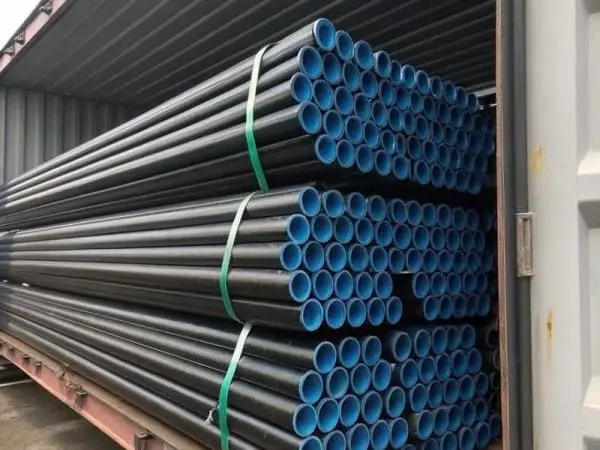
Seamless steel pipes are widely used in oil and gas, petrochemical processing, power generation, offshore engineering, and water treatment systems due to their high strength and pressure-bearing capability. However, when exposed to corrosive environments, even high-quality seamless pipes can experience various forms of degradation that may reduce service life, increase maintenance costs, and compromise operational safety. Understanding the major corrosion mechanisms affecting seamless pipes and implementing effective prevention strategies are essential for ensuring long-term pipeline reliability.
-
2026-06-18Product News
What are the advantages of ERW pipes in industrial applications?
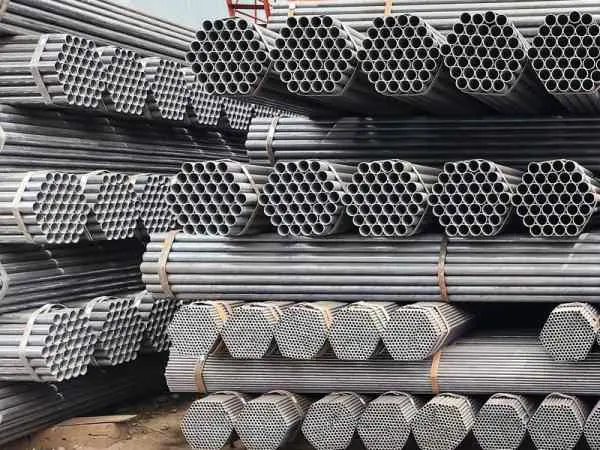
ERW (Electric Resistance Welded) pipe has become one of the most widely used steel pipe products in modern industry. Manufactured from hot-rolled steel coils through forming and high-frequency resistance welding, ERW pipes offer an excellent balance of cost, dimensional accuracy, mechanical performance, and production efficiency.
-
2026-06-12Product News
EN 10219 S235JRH square hollow section: specifications, properties, and applications
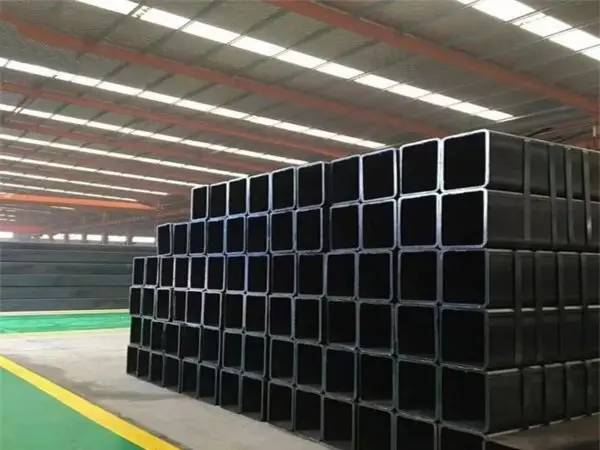
EN 10219 S235JRH Square Hollow Section (SHS) is a cold-formed welded structural steel tube manufactured according to the European standard EN 10219. As one of the most widely used structural steel grades in Europe, S235JRH provides an excellent combination of strength, weldability, and cost efficiency for general construction and engineering applications.
-
2026-06-09Product News
1/2 inch stainless steel pipe: specifications, benefits, and industrial uses
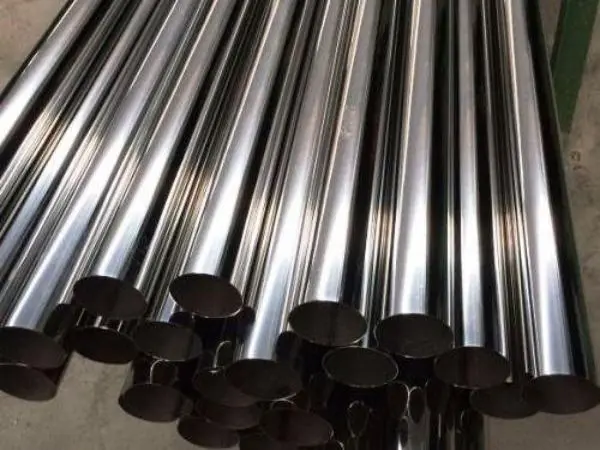
1/2 inch stainless steel pipe is one of the most commonly used stainless steel pipe sizes in industrial, commercial, and engineering applications. Known for its excellent corrosion resistance, mechanical strength, and long service life, it is widely selected for fluid transportation systems where reliability and durability are essential.
-
2026-06-05Product News
What is the surface finish of sanitary seamless pipes?
The surface finish of sanitary seamless pipes refers to the microscopic smoothness of the pipe inner surface, typically expressed as surface roughness Ra (μm). In modern engineering standards, “surface finish” is formally replaced by surface roughness, which is a measurable parameter used to evaluate hygiene-grade piping quality.
-
2026-06-03Product News
Mild steel plate properties explained
Mild steel plates are widely used in construction, fabrication, manufacturing, and general engineering due to their balanced combination of strength, cost efficiency, and ease of processing. They serve as a fundamental material in both structural and non-structural applications where reliable performance and manufacturability are required.
-
2026-05-28Product News
What are specifications of mechanical tube?
Mechanical tubing refers to steel tubing used primarily for mechanical structures, load-bearing systems, power transmission components, and precision engineering applications. Unlike standard pressure piping, mechanical tubes focus more on dimensional accuracy, surface finish, machinability, and mechanical performance rather than internal pressure resistance alone. This guide explains mechanical tube standards, dimensions, manufacturing methods, tolerances, materials, and real-world industrial applications.
-
2026-05-27Product News
How to choose the right mechanical tube?
Mechanical tubing is steel tubing manufactured mainly for structural and mechanical applications rather than fluid transportation. Mechanical tubing is widely used in automotive parts, hydraulic systems, agricultural machinery, industrial equipment, construction machinery, furniture manufacturing, and precision engineering applications. Choosing the right mechanical tube is critical for product performance, structural safety, machining efficiency, and long-term operating reliability. This guide explains how to choose the most suitable mechanical tube.
-
2026-05-22Product News
What are the types of mechanical tubes?
Mechanical tubes are widely used in industrial manufacturing, structural engineering, hydraulic systems, automotive production, and precision machinery. Different mechanical tube materials provide different advantages in corrosion resistance, strength, temperature resistance, and weight reduction. Selecting the correct material helps improve equipment durability, manufacturing efficiency, and long-term operating performance.
-
2026-05-21Product News
ASTM A519 mechanical steel pipe: features, grades, and industrial applications
ASTM A519 mechanical steel pipe is a seamless carbon steel and alloy steel tubing specification widely used in industrial manufacturing, precision machining, and heavy engineering applications. The standard covers both hot-finished and cold-finished seamless mechanical tubing designed for applications that require high strength, dimensional accuracy, and reliable mechanical performance.
-
2026-05-14Product News
What are sizes of SSAW steel pipes?
Spiral Submerged Arc Welded (SSAW) steel pipes are widely used in oil & gas, water transmission, and structural engineering projects due to their ability to support large diameters and medium-to-thick wall designs. Pipe size is typically defined by outside diameter (OD) and wall thickness, making it flexible for different pressure and flow requirements.
-
2026-05-09Product News
Why is 316L stainless steel pipe resistant to chloride ion corrosion?
316L Stainless Steel Pipe resists chloride ion corrosion mainly because it contains molybdenum (Mo) and low carbon content, which improve the stability of the passive oxide film on the steel surface. This protective film helps reduce oxidation, pitting corrosion, and stress corrosion cracking in many industrial environments.