Stainless steel pipe welding is a critical process in the fabrication of industrial piping systems. Proper welding procedures ensure high joint strength, excellent corrosion resistance, leak-free performance, and long service life. Whether used in oil and gas, chemical processing, food manufacturing, pharmaceuticals, or water treatment, correctly welded stainless steel pipes help maintain system safety and operational reliability.
Because stainless steel reacts differently to heat than carbon steel, factors such as welding method, heat input, shielding gas, filler material, and post-weld treatment must be carefully controlled. Following established welding procedures minimizes weld defects while preserving the material's corrosion-resistant properties.
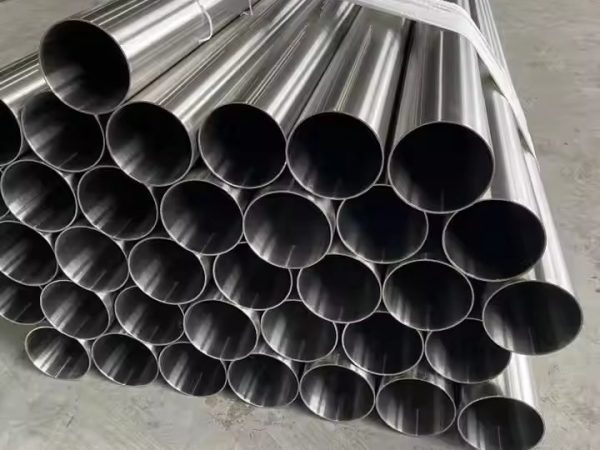
Unlike ordinary steel, stainless steel relies on a protective chromium oxide layer to resist corrosion. Improper welding may damage this passive layer, resulting in:
Weld cracking
Excessive distortion
Incomplete penetration
Intergranular corrosion
Reduced mechanical strength
Using qualified welding procedures helps produce durable welds that meet international quality standards while extending the service life of the piping system.
A successful welding process begins with proper preparation and continues through inspection after welding.
1. Surface Preparation
Before welding, pipe ends should be:
Clean and dry
Free from oil, grease, rust, and dirt
Properly beveled and aligned
Good joint preparation improves weld penetration and reduces the risk of welding defects.
2. Selecting the Appropriate Welding Method
Different applications require different welding processes depending on pipe size, wall thickness, and project requirements.
|
Item |
Typical Specification |
Description |
|
Material |
304, 304L, 316, 316L, Duplex Stainless Steel |
Common stainless steel grades |
|
Welding Methods |
TIG (GTAW), MIG (GMAW), SMAW, Orbital Welding |
Various industrial applications |
|
Shielding Gas |
Argon, Argon/Helium |
Protects the weld pool |
|
Filler Metal |
ER308L, ER316L, ER2209 |
Selected according to base material |
|
Pipe Standards |
ASTM A312, ASTM A269, ASME B36.19 |
International specifications |
|
Inspection |
Visual, PT, RT, UT, Hydrostatic Test |
Quality verification |
Among these methods, TIG (GTAW) is widely preferred for stainless steel pipe welding because it provides excellent arc stability, precise heat control, and high-quality weld appearance.
Consistent welding quality depends on following proven fabrication practices throughout production.
Recommended practices include:
Thoroughly clean pipe surfaces before welding
Use filler metals compatible with the stainless steel grade
Maintain adequate shielding gas protection
Control heat input to minimize distortion
Prevent contamination from carbon steel tools
Perform post-weld cleaning and passivation
Inspect finished welds according to applicable standards
These procedures help maintain both mechanical strength and corrosion resistance.
After welding, the stainless steel surface should be cleaned to remove:
Heat tint
Welding slag
Oxides
Surface contaminants
Passivation then restores the chromium-rich oxide layer that protects stainless steel against corrosion. Proper post-weld treatment is especially important for industries requiring high cleanliness or aggressive corrosion resistance.
Professionally welded stainless steel piping systems are widely used in industries that require high reliability and corrosion resistance, including:
Oil and gas processing
Petrochemical plants
Chemical processing
Food and beverage production
Pharmaceutical manufacturing
Water treatment facilities
Marine engineering
HVAC and industrial process piping
Selecting the correct welding procedure helps ensure long-term performance even under demanding operating conditions.
The quality of the pipe itself has a direct impact on welding performance. Premium stainless steel pipes feature accurate dimensions, consistent chemical composition, and excellent surface quality, making welding easier and more reliable.
Professional manufacturers implement comprehensive quality control procedures, including:
Chemical composition analysis
Mechanical property testing
Dimensional inspection
Hydrostatic pressure testing
Non-destructive testing (NDT)
Weld quality verification
These inspections help ensure compliance with international standards while improving product consistency and reliability.
1. What is the best welding method for stainless steel pipes?
TIG (GTAW) is commonly considered the preferred welding method because it offers precise heat control, excellent weld quality, and clean weld appearance. MIG, SMAW, and orbital welding are also used depending on the application.
2. Why is heat control important when welding stainless steel?
Proper heat control helps prevent distortion, weld cracking, excessive oxidation, and reduced corrosion resistance while ensuring complete fusion.
3. Is passivation required after welding stainless steel?
Yes. Passivation restores the protective chromium oxide layer, improving corrosion resistance and extending the service life of the welded pipe.
4. Which industries commonly use welded stainless steel pipes?
Welded stainless steel pipes are widely used in oil and gas, chemical processing, food and beverage, pharmaceutical manufacturing, marine engineering, power generation, and water treatment applications where corrosion resistance and reliability are essential.
United Steel Industry As the most important steel pipe manufacturer and exporter in China, in the past 20 years, we have completed more than 100 projects, with partners in more than 100 countries, and established relationships with oil and gas and EPC companies in many countries business relationship.
For more information about the product price, catalog and rolling mill inspection certificate,
please consult:Email:Sales@usisteels.com