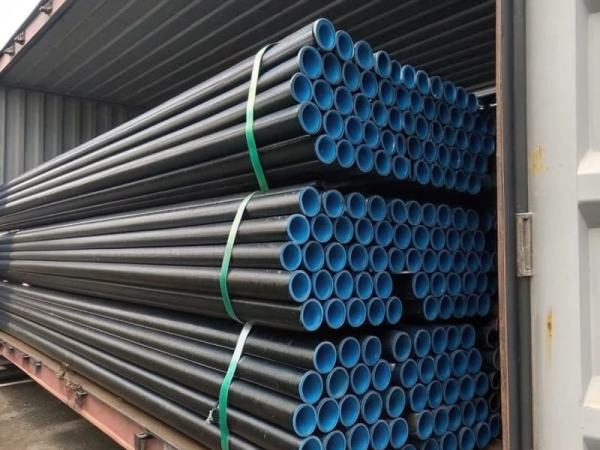
Seamless steel pipes are widely used in oil and gas, petrochemical processing, power generation, offshore engineering, and water treatment systems due to their high strength and pressure-bearing capability. However, when exposed to corrosive environments, even high-quality seamless pipes can experience various forms of degradation that may reduce service life, increase maintenance costs, and compromise operational safety.
Understanding the major corrosion mechanisms affecting seamless pipes and implementing effective prevention strategies are essential for ensuring long-term pipeline reliability.
Corrosion is a natural electrochemical process that occurs when steel reacts with moisture, oxygen, chemicals, or corrosive gases. The severity of corrosion depends on several factors:
Operating temperature
Fluid velocity
Chemical composition of the medium
Chloride concentration
Presence of H₂S or CO₂
Environmental humidity
Material selection
In industrial environments, corrosion can lead to wall thinning, cracking, leakage, and premature pipeline failure if not properly controlled.
1. Pitting Corrosion
Pitting corrosion is a highly localized form of attack that creates small cavities or pits on the pipe surface.
This type of corrosion is particularly dangerous because it may cause pipe failure while leaving most of the surface visually unaffected.
Main Causes
High chloride concentration
Seawater exposure
Salt-laden environments
Damaged protective coatings
Typical Applications Affected
Offshore oil and gas platforms
Desalination plants
Marine piping systems
Coastal infrastructure projects
2. Sulphide Stress Cracking (SSC)
Sulphide Stress Cracking (SSC) occurs when steel is exposed to hydrogen sulfide (H₂S) in combination with tensile stress.
Hydrogen generated during corrosion penetrates the steel structure, causing brittle cracking that can lead to sudden failure.
Main Causes
Sour gas environments
H₂S-containing oil and gas fields
High-strength steel grades under stress
Typical Applications Affected
Oilfield tubing
Line pipe systems
Wellhead equipment
Sour service pipelines
SSC is one of the most critical concerns in upstream oil and gas operations.
3. Erosion-Corrosion
Erosion-corrosion results from the combined effects of mechanical wear and chemical attack.
High-velocity fluids continuously remove the protective oxide layer on the steel surface, accelerating corrosion.
Main Causes
High flow velocity
Sand particles in fluids
Turbulent flow conditions
Abrasive slurry transportation
Typical Applications Affected
Chemical processing plants
Refinery pipelines
Slurry transportation systems
Pump discharge lines
Material Selection
Choosing the appropriate pipe material is the first step in corrosion control.
For aggressive service conditions, higher corrosion-resistant materials may be required:
|
Material |
Corrosion Resistance |
|
Carbon Steel |
Moderate |
|
Stainless Steel 304 |
Good |
|
Stainless Steel 316L |
Excellent in chloride environments |
|
Duplex Stainless Steel |
Very High |
|
Super Duplex Stainless Steel |
Exceptional |
|
Inconel-Clad Pipe |
Outstanding |
Duplex and super duplex stainless steels are commonly used in offshore and desalination projects where chloride-induced corrosion is a major concern.
Protective Coatings
External and internal coatings provide an additional barrier between the steel surface and corrosive media.
Common coating systems include:
Fusion Bonded Epoxy (FBE)
3LPE Coating
3LPP Coating
Epoxy Linings
Zinc Phosphate Treatment
Polyurethane Coatings
Benefits include:
Reduced corrosion rate
Improved chemical resistance
Extended service life
Lower maintenance costs
Cathodic Protection
Cathodic protection is widely used for buried and subsea pipelines.
The system works by making the pipeline the cathode of an electrochemical cell, preventing steel corrosion.
Common methods include:
Sacrificial Anode Systems
Zinc anodes
Magnesium anodes
Aluminum alloy anodes
Impressed Current Systems
External power source
Long-distance pipeline protection
Large infrastructure projects
Cathodic protection is particularly effective for offshore and underground pipeline networks.
Corrosion Monitoring and Inspection
Regular inspection helps identify corrosion before it becomes critical.
Common inspection methods include:
Ultrasonic thickness measurement
Magnetic flux leakage testing
Eddy current inspection
Intelligent pigging
Visual inspection
Predictive maintenance programs can significantly reduce unexpected downtime and repair costs.
To maximize pipeline longevity, engineers should:
Select corrosion-resistant materials based on service conditions
Apply suitable coating systems
Implement cathodic protection when required
Conduct periodic inspections
Monitor fluid chemistry
Control operating temperature and flow velocity
Follow applicable industry standards
Combining these measures can significantly reduce lifecycle costs while improving system safety and reliability.
1. What is the most common corrosion type in offshore pipelines?
Pitting corrosion caused by chloride-rich seawater is one of the most common issues.
2. How can corrosion in seamless pipes be prevented?
Material selection, protective coatings, cathodic protection, and regular inspection are the most effective methods.
3. What causes sulphide stress cracking (SSC)?
SSC occurs when steel is exposed to H₂S-containing environments under tensile stress.
4. Which industries are most affected by pipe corrosion?
Oil and gas, chemical processing, desalination, offshore engineering, and power generation industries face the highest corrosion risks.

United Steel Industry As the most important steel pipe manufacturer and exporter in China, in the past 20 years, we have completed more than 100 projects, with partners in more than 100 countries, and established relationships with oil and gas and EPC companies in many countries business relationship.
For more information about the product price, catalog and rolling mill inspection certificate,
please consult:Email:Sales@usisteels.com