To choose a suitable precision tube supplier, evaluate these five key factors:
Technical capability (cold rolling, heat treatment)
Material range (carbon steel, alloy steel, bearing steel)
Quality certifications (ISO 9001, IATF 16949)
Industry experience (application cases)
Cost, delivery, and service stability
A reliable supplier should offer high precision, stable quality, and full-process technical support.
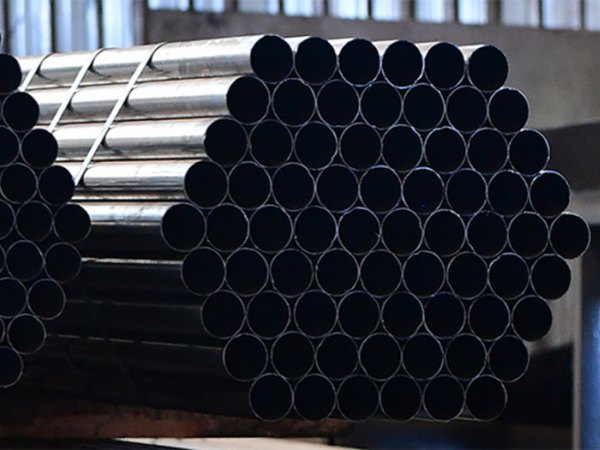
A precision tube supplier produces high-tolerance steel pipes used in demanding applications such as:
Hydraulic cylinders
Automotive components
Engineering machinery
Oil and gas equipment
These tubes are typically manufactured using:
Cold drawing
Cold rolling
Controlled heat treatment
Core requirement: tight dimensional accuracy + consistent mechanical properties
Search intent keywords: precision tube manufacturing process, cold drawn tube factory
A qualified supplier must have:
High-precision cold rolling mills
Cold drawing production lines
Controlled atmosphere heat treatment furnaces
Why it matters:
This directly determines:
Dimensional tolerance (OD/ID accuracy)
Surface quality
Mechanical stability
Search intent keywords: precision steel pipe materials, alloy steel tube supplier
Common materials include:
Carbon steel: 20#, 45#
Low alloy steel: 16Mn, 27SiMn, 40Cr
Bearing steel: GCr15
Supplier capability indicators:
Wide material inventory
Custom material support
Non-standard size production
Search intent keywords: precision tube quality standards, ISO certified tube supplier
Minimum requirements:
ISO 9001 certification
High-end requirement:
IATF 16949 (automotive industry)
Inspection capability:
Ultrasonic testing (UT)
Eddy current testing (ECT)
Mechanical testing
Metallographic analysis
Search intent keywords: precision tube supplier for hydraulic cylinder / automotive
Typical application scenarios:
Hydraulic cylinders
Oil pump barrels
Automotive drive shafts
Evaluation method:
Case studies
Export experience
Product range (seamless + welded + cold drawn tubes)
Search intent keywords: best precision tube supplier price, reliable tube supplier
Key considerations:
Price competitiveness
Delivery stability
Production capacity
After-sales support
Important insight:
The best supplier is not the cheapest—but the one with lowest total procurement risk.
Capacity utilization: 65%–70%
Overcapacity in low-end products
Strong demand for high-end precision tubes
Growth keywords:
High precision hydraulic tube
Corrosion resistant steel pipe
Boiler precision tube
Market size: USD 260.68 billion (2026)
CAGR: ~5%
Regional growth drivers:
Asia-Pacific → manufacturing expansion
North America → shale oil & gas recovery
Technology Trends
Green manufacturing
Intelligent production lines
Advanced materials:
Duplex stainless steel
Nickel-based alloys
Step-by-step decision model:
Define application (hydraulic / automotive / oil & gas)
Match material requirements
Verify certifications and testing capability
Evaluate production and delivery capacity
Compare total cost (not unit price)
1. How do I choose a precision tube supplier?
Focus on technical capability, certifications, and real application experience, not just price.
2. What is the difference between a supplier and a manufacturer?
Supplier: may trade or distribute
Manufacturer: produces tubes directly
Best choice: manufacturer with export experience
3. Which material is best for precision steel tubes?
Depends on application:
Hydraulic → 20#, 27SiMn
Automotive → 45#, 40Cr
Bearing → GCr15
4. What certifications should a precision tube supplier have?
ISO 9001 (mandatory)
IATF 16949 (automotive projects)
5. Why is cold drawing important in precision tubes?
Cold drawing improves:
Dimensional accuracy
Surface finish
Mechanical strength
6. What are the risks of choosing a low-cost supplier?
Inconsistent quality
Delayed delivery
Lack of traceability
No technical support
Choosing the right precision tube supplier requires a systematic evaluation framework rather than a price-based decision.
The most competitive suppliers in 2026 are those that combine:
Advanced manufacturing capability
Strict quality control
Broad material coverage
Full-process engineering support

United Steel Industry As the most important steel pipe manufacturer and exporter in China, in the past 20 years, we have completed more than 100 projects, with partners in more than 100 countries, and established relationships with oil and gas and EPC companies in many countries business relationship.
For more information about the product price, catalog and rolling mill inspection certificate,
please consult:Email:Sales@usisteels.com