When welding galvanized steel pipes, the zinc coating at the weld area must be removed, welding parameters must be properly controlled, and appropriate techniques should be used to prevent porosity, cracking, and harmful fumes.
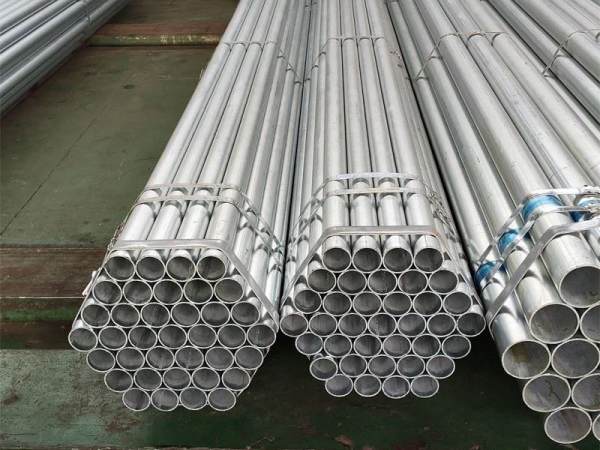
Galvanized steel pipes combine corrosion resistance and long service life at a relatively low cost, making them widely used in construction, water systems, and industrial applications. However, improper welding can lead to defects such as porosity, cracks, and reduced joint strength.
The main challenge comes from the zinc coating, which behaves differently from steel under high temperatures and directly affects weld quality and safety.
Before welding, the galvanized layer at the joint must be completely removed.
Key points:
Grind off the zinc coating in the weld area
Ensure clean and smooth base metal exposure
Prevent defects such as:
Porosity
Pinholes
Incomplete fusion
Without proper grinding, welds become brittle and lose mechanical strength.
Galvanized steel pipes are typically low-carbon steel coated with a zinc layer (about 20 μm thick). During welding:
Zinc melts at around 419°C and vaporizes near 907°C
Molten zinc can penetrate grain boundaries, causing corrosion
Zinc may form brittle intermetallic compounds with iron
Zinc vapor produces white fumes, which are hazardous
Common welding risks include:
Liquid metal embrittlement
Weld cracking under stress
Porosity caused by zinc vapor
Inclusion defects such as ZnO or oxide compounds
Fillet welds, especially in T-joints, are most prone to cracking.
Proper process control is critical to ensure weld quality.
Key practices:
Bevel preparation:
Typical bevel angle: 60°–65° with a root gap of 1–2 mm
Remove internal zinc layer:
Especially at groove edges to reduce zinc contamination
Adopt multi-layer welding:
Two-pass welding helps reduce defects and improve penetration
Select suitable electrodes:
For low-carbon steel, electrodes like J422 are commonly used
Proper process design minimizes zinc interference and improves weld integrity.
Effective welding techniques help control zinc behavior during welding.
Recommended techniques:
Burn off zinc in the first pass:
Allow zinc to melt and evaporate before completing the weld
Use controlled arc movement:
Move the electrode forward slightly, then return to ensure zinc removal
Apply short arc welding:
Reduces spatter and minimizes defects
Use weaving technique when necessary:
Helps achieve uniform weld formation
Optimize position welding (horizontal/vertical):
Reduces undercut and improves weld appearance
During welding, zinc vapor produces toxic white fumes, which can cause respiratory irritation.
Safety measures:
Ensure proper ventilation
Use protective equipment (respirators, masks)
Avoid prolonged exposure to fumes
Welding galvanized steel pipes requires more than standard welding practices due to the presence of the zinc coating. Proper surface preparation, controlled welding parameters, and correct techniques are essential to avoid defects such as porosity, cracking, and embrittlement. By following these guidelines, weld quality and long-term performance can be significantly improved.
1. Do you need to remove the zinc coating before welding?
Yes, the zinc layer must be removed at the weld area to prevent defects.
2. Why does galvanized steel crack during welding?
Due to liquid metal embrittlement and zinc-induced brittleness.
3. Is welding galvanized steel dangerous?
Yes, it produces toxic zinc fumes, so ventilation and protection are required.
4. What is the best welding method for galvanized steel pipes?
Shielded arc welding with proper surface preparation is commonly used.
5. How to reduce porosity in galvanized steel welding?
Remove zinc coating and control heat input during welding.

United Steel Industry As the most important steel pipe manufacturer and exporter in China, in the past 20 years, we have completed more than 100 projects, with partners in more than 100 countries, and established relationships with oil and gas and EPC companies in many countries business relationship.
For more information about the product price, catalog and rolling mill inspection certificate,
please consult:Email:Sales@usisteels.com