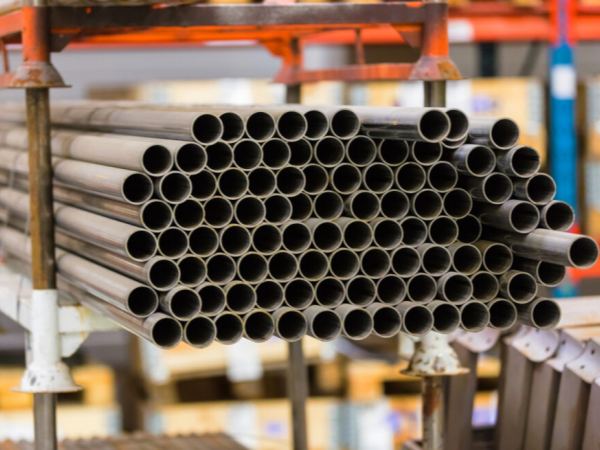
Mechanical tubing is steel tubing manufactured mainly for structural and mechanical applications rather than fluid transportation.
Mechanical tubing is widely used in automotive parts, hydraulic systems, agricultural machinery, industrial equipment, construction machinery, furniture manufacturing, and precision engineering applications. Choosing the right mechanical tube is critical for product performance, structural safety, machining efficiency, and long-term operating reliability.
This guide explains how to choose the most suitable mechanical tube.
Before selecting mechanical tubing, buyers should first evaluate the actual working conditions.
Different applications require different combinations of:
Strength
Toughness
Corrosion resistance
Pressure resistance
Machining performance
Load and Pressure Requirements
Heavy-duty equipment and hydraulic systems require tubing with high:
Yield strength
Fatigue resistance
Structural stability
Applications such as construction machinery and hydraulic cylinders typically use high-strength seamless or DOM tubing.
Temperature Conditions
Environmental temperature directly affects material selection.
|
Working Environment |
Recommended Material |
|
Low-temperature applications |
09MnNiD and low-temperature alloy steel |
|
High-temperature systems |
12Cr1MoVG and heat-resistant steel |
|
Normal industrial environment |
Carbon steel |
Low-temperature steel helps prevent brittle fracture, while heat-resistant alloys maintain stability at elevated temperatures.
Corrosion Environment
Corrosive environments require better rust resistance.
Typical corrosive applications include:
Marine engineering
Chemical processing
Outdoor structures
Humid environments
In these conditions, stainless steel mechanical tubing is often preferred.
Material selection directly affects strength, durability, corrosion resistance, and cost.
Common Mechanical Tube Materials
|
Material |
Main Features |
Common Applications |
|
Carbon steel |
Economical and versatile |
General machinery and structures |
|
Low-alloy steel |
Higher strength and fatigue resistance |
Automotive and engineering machinery |
|
Stainless steel |
Excellent corrosion resistance |
Food processing and marine equipment |
|
Aluminum and copper alloys |
Lightweight or high thermal conductivity |
Aerospace and refrigeration |
Carbon Steel Mechanical Tubing
Carbon steel is the most commonly used material because it provides:
Good machinability
Stable mechanical properties
Lower production cost
It is widely used for:
Mechanical structures
Equipment frames
General industrial applications
Stainless Steel Mechanical Tubing
Stainless steel tubing is ideal for environments requiring:
Corrosion resistance
Hygienic performance
Long service life
Common applications include:
Food processing equipment
Pharmaceutical systems
Marine equipment
Chemical machinery
The manufacturing method greatly influences tubing quality, strength, and dimensional precision.
Even tubing with the same steel grade can perform differently depending on the production process.
Seamless Mechanical Tubing
Seamless tubing is manufactured by piercing solid steel billets without welded seams.
Main Advantages
High pressure resistance
Uniform structure
Better fatigue performance
Strong mechanical properties
Typical Applications
Hydraulic cylinders
Heavy machinery
High-pressure systems
Precision mechanical components
ERW Mechanical Tubing
ERW (Electric Resistance Welded) tubing is produced by rolling and welding steel strip or coil.
Main Advantages
High production efficiency
Lower manufacturing cost
Stable dimensional consistency
Typical Applications
Structural frames
General mechanical structures
Fluid transportation
Non-critical load-bearing applications
DOM Mechanical Tubing
DOM (Drawn Over Mandrel) tubing is processed from welded tubing through cold drawing.
Main Advantages
Tighter dimensional tolerances
Smoother surface finish
Better concentricity
Higher strength
Typical Applications
Automotive parts
Hydraulic cylinders
Precision machinery
Roll cages and shafts
Tube dimensions directly affect load capacity, pressure resistance, and total weight.
Key Tube Dimension Parameters
|
Parameter |
Description |
|
Outside Diameter (OD) |
External tube diameter |
|
Inside Diameter (ID) |
Internal tube diameter |
|
Wall Thickness |
Tube wall thickness |
|
Length Tolerance |
Dimensional length accuracy |
How Wall Thickness Affects Performance
Thicker wall tubing generally provides:
Higher strength
Better pressure resistance
Improved durability
However, thicker walls also increase:
Product weight
Raw material consumption
Manufacturing cost
Therefore, buyers should balance structural requirements with cost efficiency.
In practical projects, material performance must be balanced with budget and production schedule.
Using the highest-grade tubing for every application may unnecessarily increase costs and lead times.
Cost-Effective Selection Strategy
For General Structural Components
Cost-efficient ERW tubing is often sufficient for:
Light structural applications
Equipment frames
Non-critical components
For High-Pressure or Precision Systems
Seamless or DOM tubing is recommended for:
Hydraulic cylinders
Precision machinery
High-load components
Critical structural systems
Although more expensive, these products offer better reliability and performance.
Special Material and Custom Tube Considerations
Custom mechanical tubing may require longer production cycles, especially for:
Large diameter tubes
Thick-wall tubing
Special alloy materials
Precision tolerance requirements
Project procurement planning should account for manufacturing lead time.
Mechanical Tube vs Steel Pipe
Many buyers confuse mechanical tubing with standard steel pipe, but their applications are different.
|
Feature |
Mechanical Tube |
Steel Pipe |
|
Main purpose |
Structural and mechanical use |
Fluid transportation |
|
Measurement method |
OD and wall thickness |
Nominal pipe size |
|
Dimensional tolerance |
Tight |
Standard |
|
Surface finish |
Better |
Basic |
|
Precision level |
High |
Moderate |
When selecting mechanical tubing, buyers should evaluate:
Working environment
Pressure and load conditions
Corrosion resistance requirements
Manufacturing process
Dimensional tolerance
Cost and delivery schedule
The most suitable tube is not always the most expensive one. The best solution is the product that meets minimum performance requirements while maintaining cost efficiency.
1. What is mechanical tubing used for?
Mechanical tubing is mainly used for machinery, hydraulic systems, automotive parts, and structural applications.
2. What is the difference between seamless and ERW mechanical tubing?
Seamless tubing has no weld seam and offers higher pressure resistance, while ERW tubing is more economical.
3. Why is DOM tubing popular?
DOM tubing provides tighter tolerances, smoother surfaces, and higher strength.
4. Which material is best for mechanical tubing?
Carbon steel is widely used, while stainless steel is preferred for corrosion resistance.
5. How do I choose the correct wall thickness?
Wall thickness depends on load requirements, pressure conditions, and application environment.
United Steel Industry As the most important steel pipe manufacturer and exporter in China, in the past 20 years, we have completed more than 100 projects, with partners in more than 100 countries, and established relationships with oil and gas and EPC companies in many countries business relationship.
For more information about the product price, catalog and rolling mill inspection certificate,
please consult:Email:Sales@usisteels.com