The quality of alloy steel pipes is determined through a combination of chemical composition analysis, mechanical property testing, surface inspection, and non-destructive testing methods. Key evaluation criteria include strength, hardness, deformation resistance, and pressure performance, ensuring the pipes meet industrial and structural application requirements.
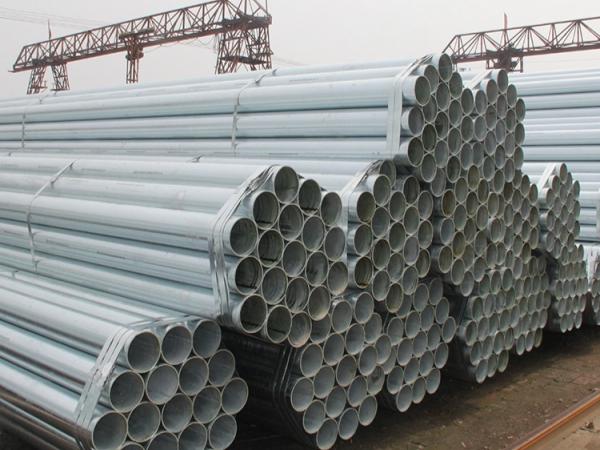
The quality of alloy steel pipes begins with chemical composition verification.
Key elements tested include:
Carbon (C) → affects strength and hardness
Chromium (Cr) → improves corrosion resistance and wear resistance
Accurate composition ensures the pipe meets standard specifications and performance requirements.
Mechanical properties are critical for evaluating structural performance.
Compressive Strength Test
Measures the ability of alloy steel pipes to withstand external loads and pressure, especially for hardened surface layers.
Hardness Testing
Surface hardness reflects:
wear resistance
deformation resistance
overall durability
Higher hardness generally indicates better performance under load conditions.
Surface condition directly affects the service life and safety of alloy steel pipes.
Inspection focuses on:
surface flatness
weld seam uniformity
coating or hardened layer consistency
Uniform thickness and smooth surfaces help prevent cracking, corrosion, and failure during use.
The bending test evaluates the pipe’s resistance to deformation.
In this test:
one end of the pipe is fixed
the sample is repeatedly bent over a specified radius
This helps identify:
internal defects
brittleness
fatigue resistance
The hammering test assesses the pipe’s ability to withstand plastic deformation under impact.
This test can be performed:
at room temperature
at elevated temperatures
It helps reveal material defects and structural weaknesses.
The upsetting test evaluates axial compression performance.
Types include:
Cold upsetting test (room temperature)
Hot upsetting test (high temperature)
This test measures the material’s ability to resist cracking during deformation.
The flanging test checks the pipe’s ability to undergo radial deformation.
During the test:
pressure is applied to expand the pipe end
the wall is rolled outward to a specified shape
This determines whether the pipe can withstand forming and installation processes without failure.
Hydrostatic testing is one of the most critical quality checks.
The process involves:
filling the pipe with water or liquid
applying internal pressure for a set period
This test verifies:
pressure resistance
leak tightness
structural integrity
It is essential for pipes used in high-pressure and fluid transmission systems.
The quality of alloy steel pipes is determined through a comprehensive evaluation system that includes:
chemical composition control
mechanical strength testing
surface inspection
deformation and pressure testing
By meeting these criteria, alloy steel pipes can ensure reliable performance, safety, and long service life in demanding industrial environments.
1. What is the most important test for alloy steel pipes?
Hydrostatic testing is critical for verifying pressure resistance and leak integrity.
2. Why is chemical composition important in alloy steel pipes?
It directly affects strength, hardness, and corrosion resistance.
3. How is the hardness of alloy steel pipes tested?
Hardness is measured using standard methods to evaluate wear resistance and durability.
4. What does the bending test reveal?
It shows the pipe’s flexibility, fatigue resistance, and internal defects.
5. Do all alloy steel pipes require hydrostatic testing?
Most pipes used in pressure systems must undergo hydrostatic testing to ensure safety.

United Steel Industry As the most important steel pipe manufacturer and exporter in China, in the past 20 years, we have completed more than 100 projects, with partners in more than 100 countries, and established relationships with oil and gas and EPC companies in many countries business relationship.
For more information about the product price, catalog and rolling mill inspection certificate,
please consult:Email:Sales@usisteels.com