-
2024-11-26Product News
Pre-welding technology of LSAW steel pipe
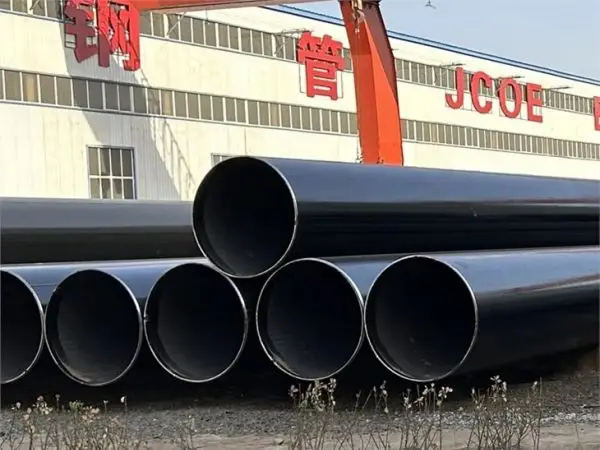
LSAW (Longitudinal Submerged Arc Welded) steel pipes are produced by rolling a single medium or thick steel plate into a cylindrical shape using a mold or forming machine, followed by double-sided submerged arc welding. This process not only joins the edges of the plate but also expands the pipe diameter. One critical aspect of the LSAW steel pipe production process is the pre-welding stage, where the forming seam is subjected to "shallow welding" along the entire length of the pipe. This specialized technique is essential to ensure the integrity of the final welded pipe.
-
2024-11-25Product News
Cold crack for ERW steel pipe
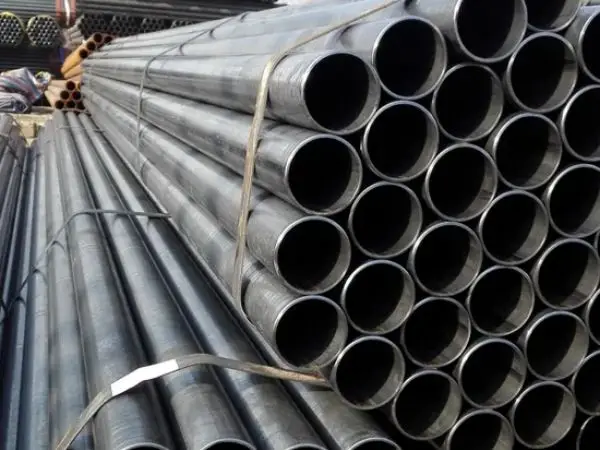
Cold cracks are a type of defect that may occur in Electric Resistance Welded (ERW) steel pipes during or after the welding process. These cracks are a significant quality concern as they can compromise the structural integrity and reliability of the pipe.
-
2024-11-25Product News
ERW steel pipe market analysis
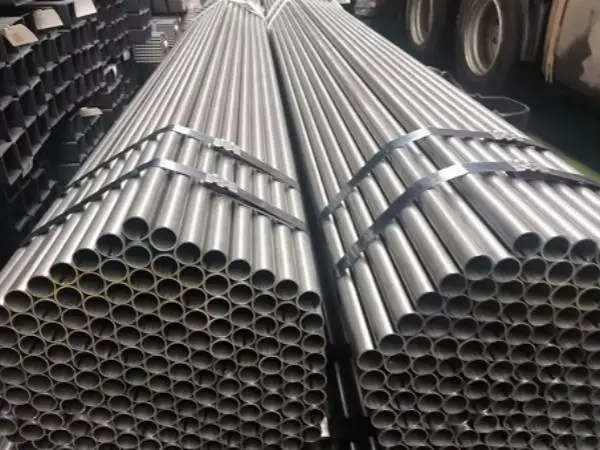
Electric Resistance Welded (ERW) steel pipes are widely used across various industries due to their cost-effectiveness, efficiency, and adaptability. Below is an analysis of the ERW steel pipe market, considering current trends, drivers, challenges, and future outlook.
-
2024-11-22Product News
What are the advantages of pipe clamps?
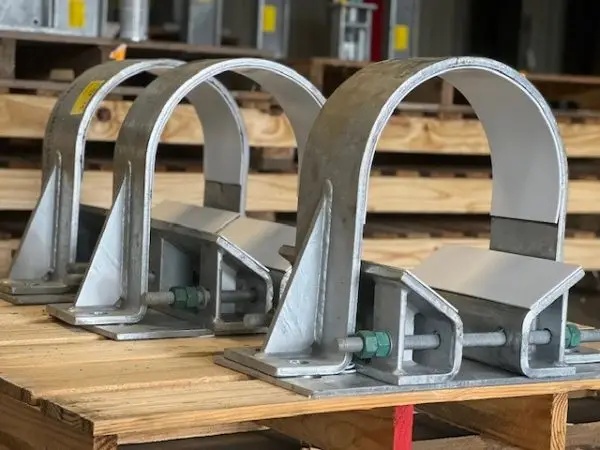
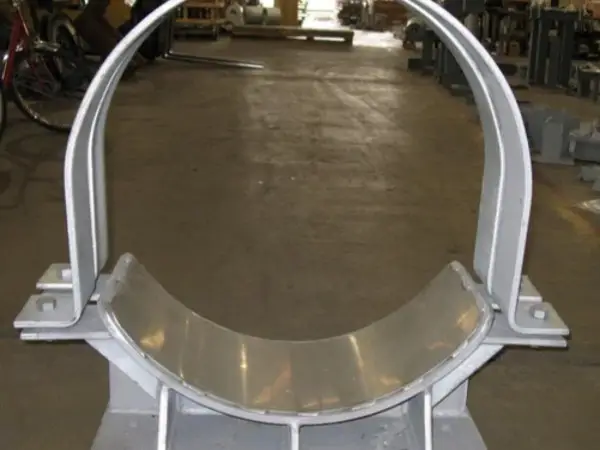
Pipe clamps offer several advantages, making them indispensable in a wide range of applications. Here's an overview of benefits of pipe clamps.
-
2024-11-22Product News
How do pipe clamps work?
Pipe clamps are versatile tools used to secure and support pipes in various applications, from plumbing and construction to industrial and mechanical systems. Here's an overview of how pipe clamps work.
-
2024-11-21Product News
Top 10 advantages of steel sheet piles
Steel sheet piles are among the most versatile and efficient materials in modern construction. Known for their durability, adaptability, and environmental benefits, they are widely used in projects such as retaining walls, cofferdams, and flood defenses. Below is an expanded list of the top advantages of using steel sheet piles in various engineering and construction applications.
-
2024-11-21Product News
Overview of the types of steel sheet pile
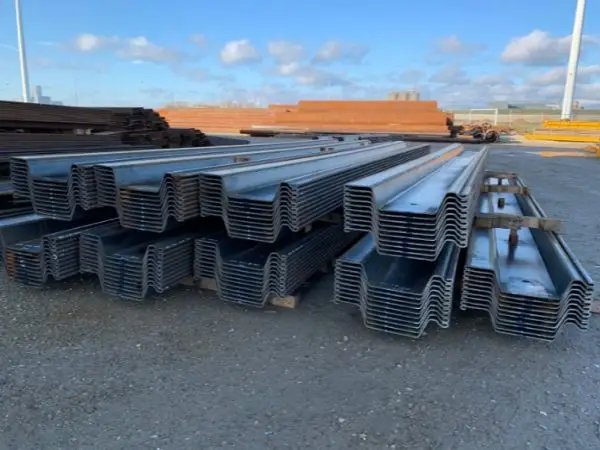
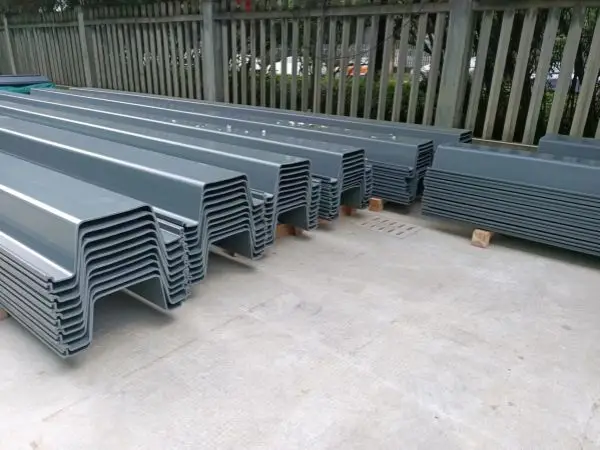
Steel sheet piles are structural steel products widely used in construction projects for applications such as retaining walls, cofferdams, waterfront structures, and flood defenses. They are designed to interlock, forming continuous barriers to support earth or water loads. Below is a detailed overview of the primary types of steel sheet piles based on shape, application, and manufacturing processes.
-
2024-11-20Product News
How to maintain steel plates to extend their service life?
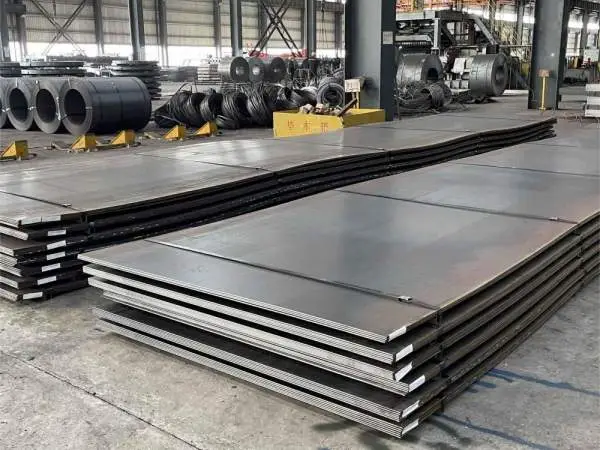
This article will briefly introduce how to maintain steel plates to extend their service life.
-
2024-11-20Product News
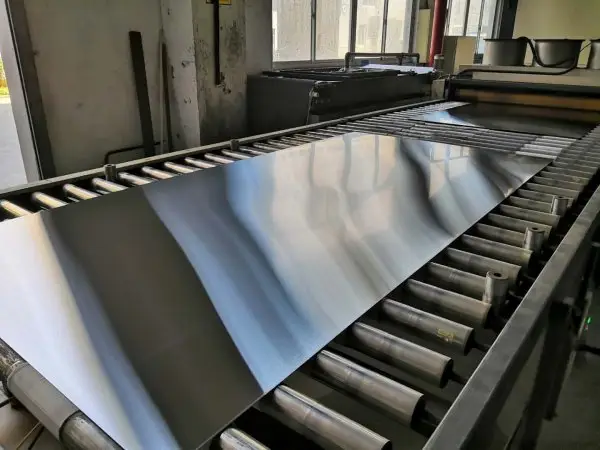
ASTM A240 stainless steel plate
ASTM A240 is a standard specification for chromium and chromium-nickel stainless steel plates, sheets, and strips, intended for pressure vessels and general applications. This specification encompasses grades such as 304 and 316, which are widely used due to their specific properties.
-
2024-11-19Product News
The advantages of prepainted galvanized steel coil
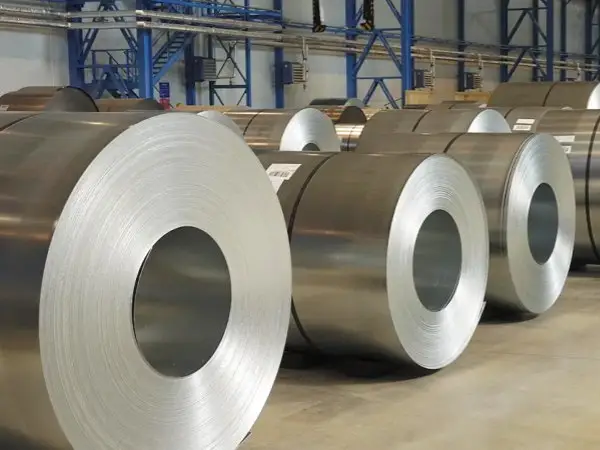
Prepainted galvanized steel coil is manufactured from hot-dip galvanized sheets, hot-dip aluminum-zinc plates, or electro-galvanized sheets. After undergoing surface pretreatment (such as chemical degreasing and conversion treatment), these coils are coated with layers of organic paint and cured through baking processes. The result is a steel product with a vibrant appearance and excellent material properties.
-
2024-11-19Product News
Steel coil manufacturing technology
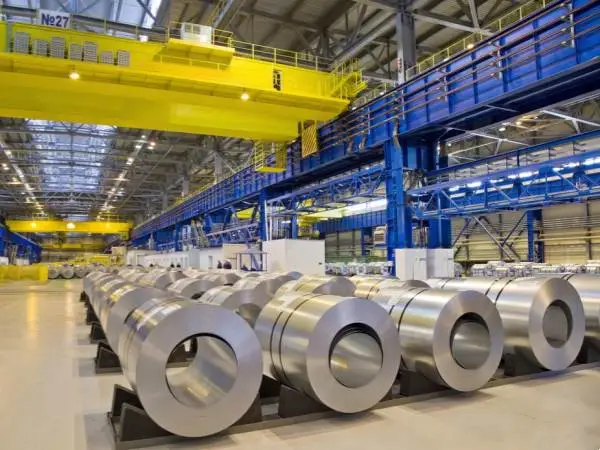
Steel coil manufacturing involves a series of advanced processes designed to produce high-quality steel in various forms, such as hot-rolled, cold-rolled, or coated coils. These coils are widely used in construction, automotive, energy, and appliance manufacturing. Below is a detailed overview of the technologies and processes involved in steel coil manufacturing.
-
2024-11-18Product News
Introduction to SCH 40 galvanized seamless pipe
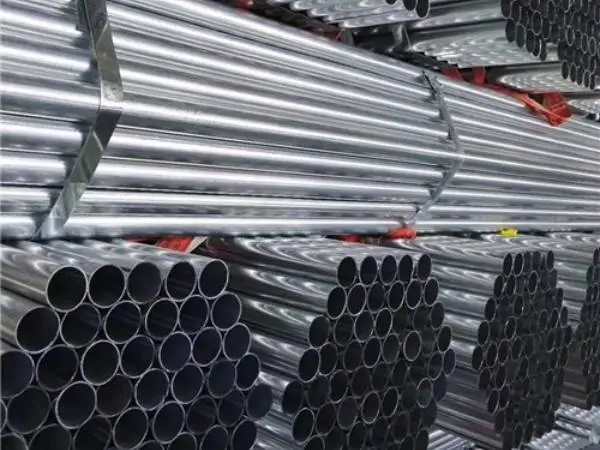
SCH 40 galvanized seamless pipe refers to a type of steel pipe with a Schedule 40 wall thickness that is also coated with a layer of zinc through galvanization. This combination makes the pipe durable, corrosion-resistant, and suitable for various structural, industrial, and fluid transportation applications.