-
2024-10-21Product News
How to straighten large diameter seamless steel pipes?
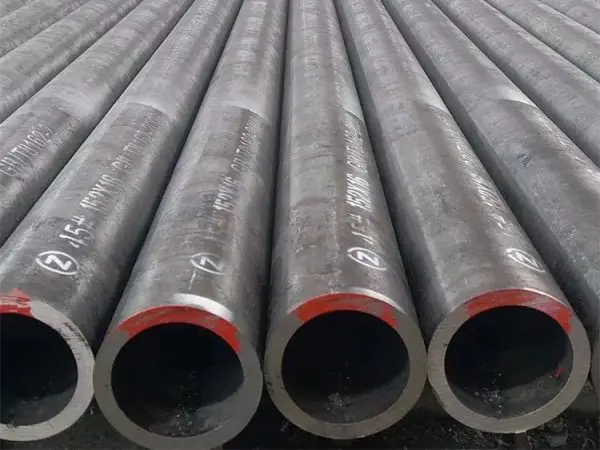
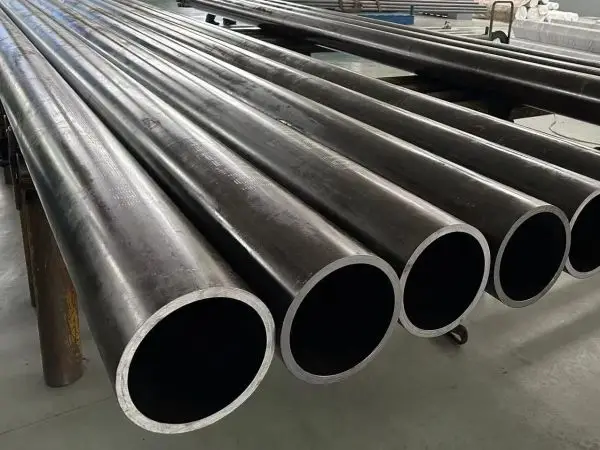
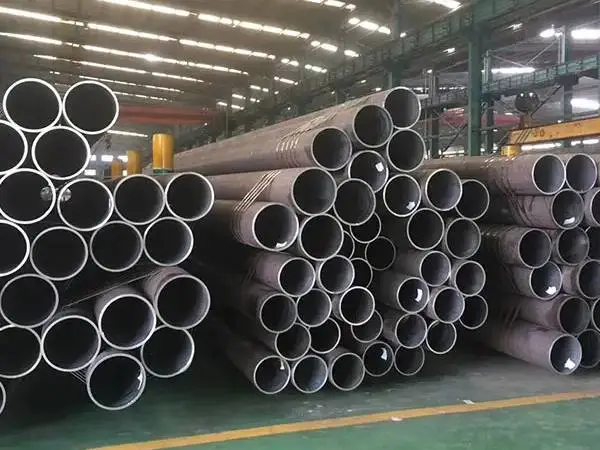
In demanding work environments, large-diameter seamless steel pipes may deform under high stress or external pressure. Ensuring the straightness of these pipes is crucial for maintaining their structural integrity and performance. The most effective method for straightening large-diameter seamless steel pipes is to use a specialized steel pipe straightening machine. These machines are designed to straighten various metal profiles, including bars, tubes, and wires, by applying controlled pressure. Here, we provide a detailed guide on how to operate a steel pipe straightening machine, along with important precautions to follow during the process.
-
2024-10-18Product News
Drawing process of precision seamless tube
The drawing process of precision seamless tubes involves several key steps to produce high-quality tubes with precise dimensions and smooth surfaces. Here's an overview of the main stages.
-
2024-10-18Product News
Introduction to the advantages of precision seamless steel pipe
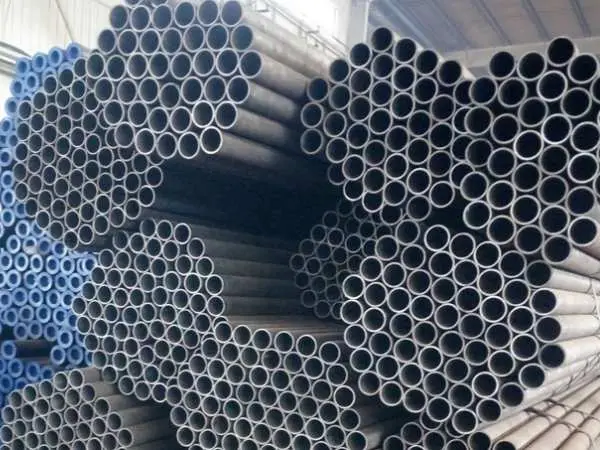
Precision seamless steel pipes have gained wide recognition for their outstanding qualities, making them a superior choice in various industries. These pipes offer unique advantages that enhance durability, performance, and cost-efficiency. Below are some of the key advantages of precision seamless steel pipe.
-
2024-10-17Product News
Where are heat exchanger tubes used?
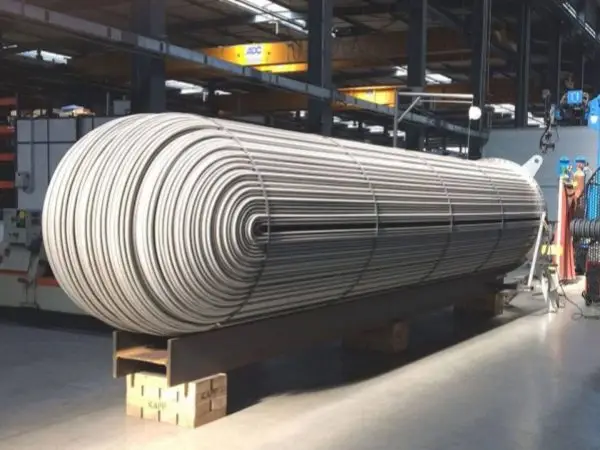
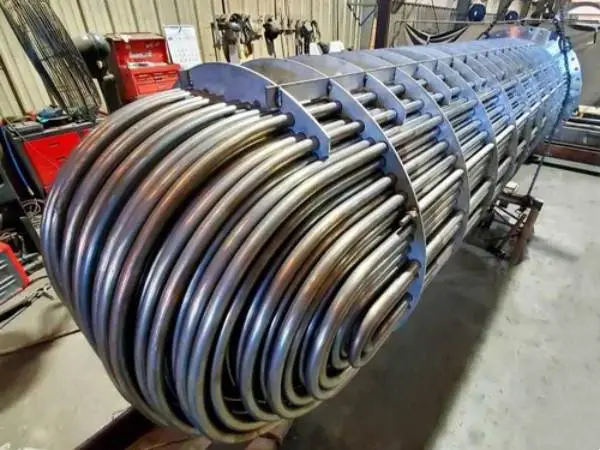
Heat exchanger tubes are used in a wide range of industrial applications where efficient heat transfer is essential. These tubes serve as the primary components in heat exchangers, allowing fluids (liquids or gases) to transfer heat between one another without direct contact. Here are the key sectors and applications where heat exchanger tubes are commonly used.
-
2024-10-17Product News
Reference steel pipe for heat exchangers
Heat exchangers play a critical role in the operation of power plants, chemical plants, and numerous industrial facilities. The selection of the right type of steel pipe is essential for ensuring the efficiency, durability, and safety of heat exchanger systems. With over 20 years of experience in steel pipe production, we offer expert guidance on the ideal pipes for heat exchanger projects. Below are some steel pipe references commonly used in these applications.
-
2024-10-16Product News
How to detect the quality of seamless mechanical tubes?
Mechanical tubes are specifically designed for use in mechanical and light structural applications. These tubes are produced to meet precise requirements, including specific end-use demands, tolerances, and chemical compositions. Unlike standard pipes, mechanical tubes are tailored to offer consistent performance and uniformity throughout the tube. While they can be produced to meet standard specifications, they are typically manufactured with "typical" properties, focusing on yield strength for a given size and wall thickness. In certain applications involving severe forming, yield strength may not even be defined; instead, the tubes are produced to be "fit for use." Mechanical tubes are versatile and used across both structural and non-structural applications.
-
2024-10-16Product News
What is seamless mechanical tubing?
Seamless mechanical tubing refers to tubes produced without any seams or welds, resulting in a uniform and durable product. It is created through a process known as seamless steel pipe manufacturing, where a solid cylindrical billet is heated and pierced to form a hollow tube. This tube is then elongated, sized, and processed to achieve precise dimensions and properties. Seamless mechanical tubing is renowned for its strength, uniformity, and ability to withstand high pressures, making it ideal for applications that require precision, smooth surface finishes, and resistance to pressure.
-
2024-10-15Product News
Seamless carbon steel boiler tube size chart
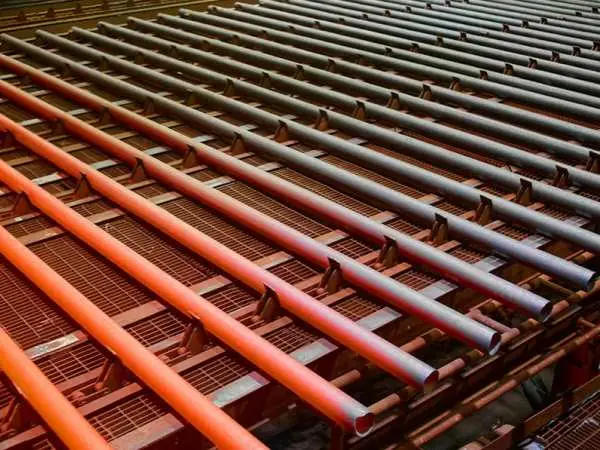
As a crucial component of boiler systems, seamless carbon steel boiler tubes play a vital role in transferring heat and withstanding high pressure. The appropriate selection of boiler tube sizes is essential, as it directly impacts the boiler’s efficiency and safety. But how do you choose the right size for boiler tubes?
-
2024-10-15Product News
Production technology and nitriding treatment of seamless carbon steel pipes
Seamless carbon steel pipes have hollow cross-sections and are widely utilized for conveying fluids, such as in pipelines transporting oil, natural gas, coal gas, water, and certain solid materials. This article will briefly introduce production technology and nitriding treatment of seamless carbon steel pipes.
-
2024-10-14Product News
How to solve the problem of steel sheet pile corrosion in the soil?
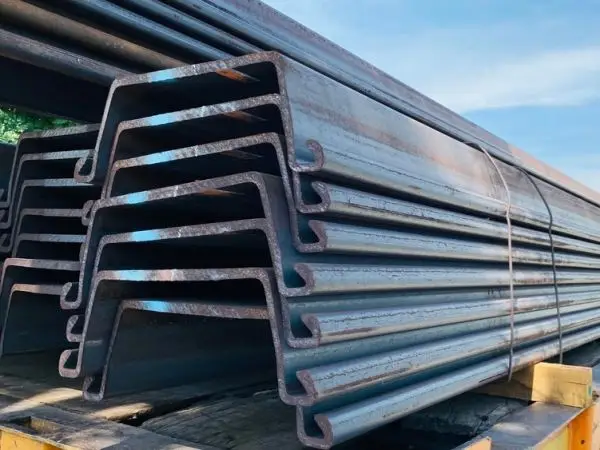
Steel sheet piles, also known as box-shaped steel sheet piles or steel sheet extrusion piles, are fundamental construction materials. They are characterized by a simple manufacturing process, ease of installation, and lightweight structure. The length of steel sheet piles can be adjusted based on site-specific requirements, typically ranging from 8 to 12 meters, though longer or shorter lengths are also available.
-
2024-10-14Product News
Basic knowledge of steel pipe pile anti-corrosion
Steel pipe piles are essential components in many construction projects, primarily used to provide support or stabilize soil and foundation structures. Due to the harsh environmental conditions they are often exposed to, such as moisture, high temperatures, and the presence of acidic or alkaline substances, steel pipe piles are highly susceptible to corrosion. Therefore, protecting the durability and safety of pipe piles is critical.
-
2024-10-12Product News
Production notes of SSAW steel pipe
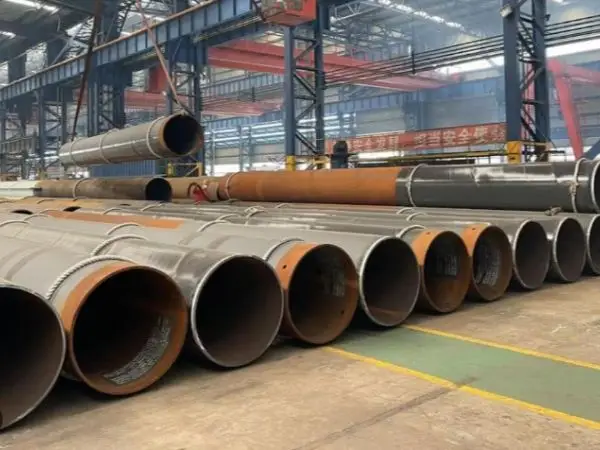
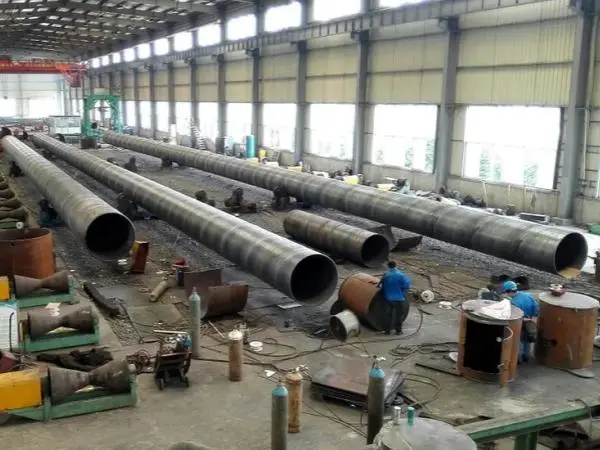
During the production of SSAW (Spiral Submerged Arc Welded) steel pipes, several critical steps must be followed to ensure quality and meet industry standards. In addition to routine tests, special tests may be required based on API standards or specific customer requirements, including destructive testing to assess the physical and chemical properties of raw materials. Visual inspections of 100% of the steel materials are also conducted. Below are key production steps and considerations.